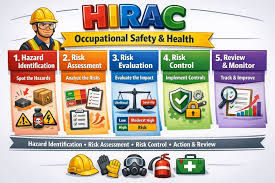
In today’s fast-paced work environments, ensuring employee safety is not just a legal obligation—it’s a fundamental responsibility. Occupational Safety and Health (OSH) risk assessment plays a critical role in identifying potential hazards, evaluating risks, and implementing measures to prevent workplace accidents and illnesses.
What is OSH Risk Assessment?
OSH risk assessment is a systematic process used to identify workplace hazards, analyze the level of risk associated with them, and determine appropriate ways to eliminate or control those risks. It applies to all industries, from construction and manufacturing to offices and healthcare settings.
The goal is simple: prevent harm before it occurs.
Why is Risk Assessment Important?
Workplace hazards can lead to injuries, illnesses, or even fatalities. A proper risk assessment helps organizations:
- Protect employees and visitors
- Comply with legal and regulatory requirements
- Reduce financial losses from accidents and downtime
- Improve overall productivity and morale
- Build a strong safety culture
The Key Steps in OSH Risk Assessment
1. Identify Hazards
The first step is to recognize anything that could potentially cause harm. Hazards may include:
- Physical hazards (machinery, noise, heat)
- Chemical hazards (toxic substances, fumes)
- Biological hazards (bacteria, viruses)
- Ergonomic hazards (poor posture, repetitive movements)
- Psychosocial hazards (stress, workload pressure)
2. Assess the Risks
Once hazards are identified, evaluate:
- The likelihood of the hazard causing harm
- The severity of the potential consequences
This helps prioritize which risks need immediate attention.
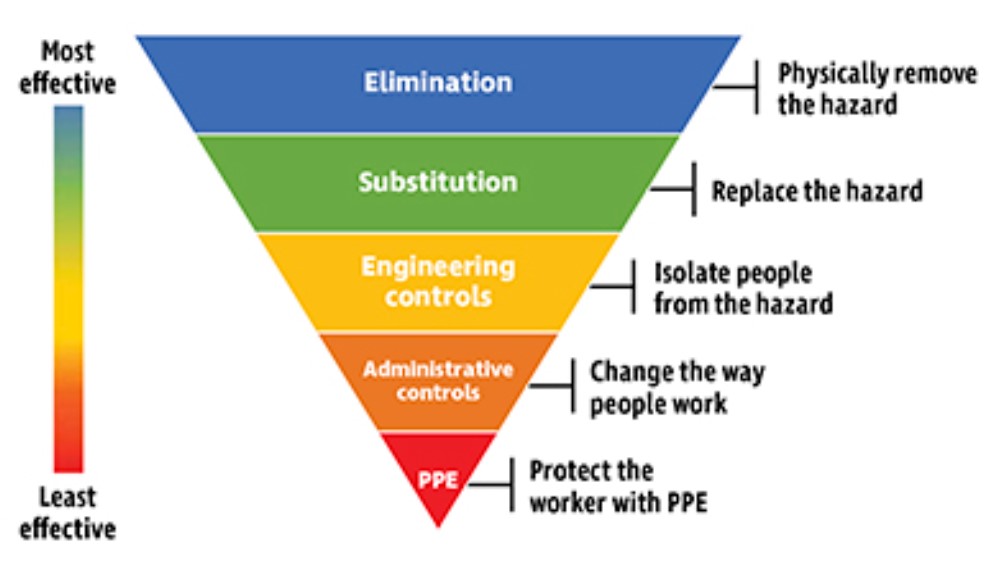
3. Control the Risks: Implement measures to eliminate or reduce risks. This often follows the “hierarchy of controls”:
- Elimination – remove the hazard completely
- Substitution – replace with a safer alternative
- Engineering controls – isolate people from the hazard
- Administrative controls – change procedures or training
- Personal Protective Equipment (PPE) – use protective gear
Occupational Safety and Health (OSH) Risk Assessment
4. Record Findings
Documenting the results ensures accountability and provides a reference for future improvements. It also helps demonstrate compliance with safety regulations.
5. Review and Update
Workplaces evolve, and so do risks. Regular reviews ensure that control measures remain effective and relevant.
Common Challenges in Risk Assessment
Despite its importance, organizations often face challenges such as:
- Lack of awareness or training
- Underestimating risks
- Inadequate documentation
- Failure to update assessments regularly
Overcoming these challenges requires commitment from both management and employees.
Best Practices for Effective OSH Risk Assessment
To make risk assessments more effective:
- Involve employees—they understand the job best
- Use clear and simple assessment tools
- Provide proper training and awareness
- Regularly monitor and review risks
- Foster a proactive safety culture
Conclusion
OSH risk assessment is not a one-time task—it is an ongoing process that ensures a safe and healthy work environment. By identifying hazards early and implementing effective control measures, organizations can prevent accidents, protect their workforce, and enhance overall performance.
A safer workplace is a more productive workplace. Investing in risk assessment today means securing a better tomorrow for everyone.
