The psychology of gambling Understanding the mind behind the bets Pakakumi
The Allure of Gambling
The world of gambling has captivated individuals for centuries, serving as both a source of entertainment and a mechanism for risk-taking. The thrill of placing a bet, coupled with the possibility of a significant win, creates a psychological allure that is hard to resist. This attraction stems from the human desire for excitement and the hope of financial gain, pushing many to explore various gambling avenues, including modern platforms like the https://pakakumi-apk.co.ke/ Pakakumi APK download.
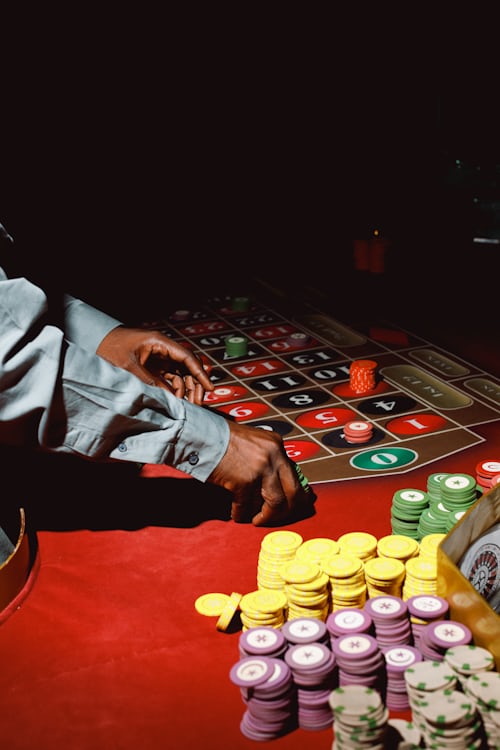
As players engage in games that require both luck and strategy, they experience a rush of adrenaline. This heightened emotional state is part of what makes gambling so appealing, as it offers an escape from everyday life. The prospect of winning, even if fleeting, can trigger a euphoric response in the brain, reinforcing the cycle of gambling behavior.
The Role of Cognitive Biases
Cognitive biases play a significant role in the psychology of gambling. Gamblers often fall prey to the illusion of control, believing they can influence the outcome of a game through skill or strategy, even in games of chance. This can lead to overconfidence and, ultimately, more significant financial risks. The belief that past outcomes can predict future results can also lead to fallacious reasoning, encouraging continued gambling despite losses.
Additionally, the concept of “near misses” can create a psychological trap for gamblers. Experiencing close calls—like almost winning a jackpot—can reinforce the desire to keep playing. This reinforcement strengthens the gambler’s resolve to try their luck again, often leading to repeated betting behaviors that can spiral into addiction.
The Emotional Rollercoaster of Gambling
The emotional impact of gambling is profound and multifaceted. Players often experience highs when winning and lows when losing, creating a rollercoaster of feelings that can be addictive. The euphoria of a win can lead to a desire to chase more victories, while losses can evoke frustration and desperation, prompting players to take more significant risks to recover their losses.
This emotional dichotomy can heavily influence decision-making during gambling sessions. The excitement of winning can cloud judgment, leading players to ignore warning signs of potential addiction or financial trouble. Recognizing these emotional patterns is crucial for understanding one’s gambling habits and making informed decisions regarding future bets.
The Social Aspect of Gambling
Gambling is not only an individual activity; it also has a strong social component. Many people engage in gambling as a social activity, whether it be at a casino or through online platforms like the Pakakumi APK. This communal aspect can amplify the excitement, as players share in the highs and lows of each other’s experiences, often fostering a sense of camaraderie.
However, this social environment can also normalize excessive gambling behavior. When individuals are surrounded by others who gamble frequently, they may feel more inclined to participate, regardless of their financial situation or personal feelings about gambling. Understanding the social influences at play can provide deeper insight into gambling motivations and behaviors.

Understanding Gambling in the Digital Age
The rise of online gambling platforms has transformed how individuals engage with betting activities. With apps like the Pakakumi APK providing accessible and engaging experiences, players can now gamble from the comfort of their homes, leading to a surge in participation. This convenience can exacerbate gambling-related issues, as it allows for more frequent and impulsive betting.
Moreover, the digital landscape introduces unique psychological dynamics, such as the instant gratification of betting and winning in fast-paced games. Understanding these factors is crucial for both players and mental health professionals in addressing potential gambling addictions and promoting responsible gaming practices.
